Timber Futures
A global design competition empowering the next generation to build boldly with timber. Step into a new era of sustainable architecture. Timber Futures invites emerging architects, designers, and creatives to explore the transformative power of timber — a timeless material for a changing world. With no entry fee, complete creative freedom, and a global platform to showcase your vision, this is your opportunity to design not just for today, but for a more regenerative tomorrow.
- certificate:Awarded to all Winners and Mentions
- jury:Members from international leading design firms
- Winner Announcement12 Jan 2026
The Winning Visions of Timber Futures
The winners of the Timber Futures Ideas Competition explore how timber can act as more than a structural material — offering pathways for reflection, renewal, and architectural integrity in a time of environmental change. While varied in form and concept, each project responds to timber’s potential as a medium for storytelling, sustainability, and spatial innovation.
Digital Kintsugi
1st Place
Rather than pursuing technological spectacle, Digital Kintsugi offers a poetic vision of timber as a medium of healing. The proposal reuses damaged, charred timber from climate disasters to form a structural core — scars made visible rather than erased. Inspired by the Japanese philosophy of Kintsugi, where broken pottery is repaired with gold, this building fills its cracks with glowing bio-resin veins, turning trauma into light. A minimalist, windowless space becomes a meditative interior where light emanates from within, creating a deeply symbolic architecture of restoration. More than a structure, this project offers a contemplative space where nature’s past is honoured, and its future reimagined.
CASA DICHOTOMY
2nd Place
CASA DICHOTOMY reinterprets the primitive hut for a contemporary, digitally-connected world. Modular and ritualistic, the design explores dichotomies: solitude and connection, tradition and technology, shelter and openness. Divided by nature’s golden angle, its timber modules shift between zones for reunion, restoration, and regeneration. Prefabricated timber panels meet at steel joints with botanical logic, while a photovoltaic roof produces energy and supports edible plants. This cabin is both a retreat and a prototype — a reflection of personal consciousness and a seed for future communities.
Research and Teaching Institute for Advanced Biotechnologies
3rd Place
This speculative ten-story lab reimagines how biotechnology and architecture might coexist. Designed as a continuous public platform of cascading floors, the structure supports visibility, collaboration, and discovery. Mass timber replaces conventional materials to showcase the potential of engineered biology — merging strength, sustainability, and elegance. Inside, biophilic design principles enhance the daily experience for researchers, promoting wellbeing and focus. By combining cutting-edge science with a natural material palette, the project proposes a new model for institutional space: open, warm, and human-centered.
Winning Projects
These three entries were selected by the jury for their clear vision, architectural coherence, and innovative use of timber as both structure and expression. Each presents a thoughtful and well-articulated approach to sustainable design, standing out as the strongest proposals of the competition.
1st PlaceDigital Kintsugi
.jpg)
.jpg)
.jpg)
- 🇹🇷Emirhan Avcı
2nd PlaceCASA DISCHOTOMY
.jpg)
.jpg)
.jpg)
- 🇨🇳Zhenyi Zhou
3rd PlaceResearch and Teaching Institute for Advanced Biotechnologies
.jpg)
.jpg)
.jpg)
- 🇺🇸Thomas MelvilleEllenzweig Architects
- 🇺🇸Peter HermanEllenzweig Architects
- 🇺🇸Steve MahlerEllenzweig Architects
Honourable Mentions
These 14 projects were highly regarded by the jury for their thoughtful execution, clear design intent, and unique approaches to timber architecture. Each offers a distinct perspective on how wood can shape space, structure, and sustainability in meaningful ways.
MentionRUMA
.jpg)
.jpg)
.jpg)
- 🇮🇩Mikael Tristan Aristo
MentionBalangay Shr
.jpg)
.jpg)
.jpg)
- 🇮🇩Joel Albinda Jr.
MentionTHE EIGHTFOLD TIMBER PAVILION
.jpg)
.jpg)
.jpg)
- 🇰🇭Chea Soksothearith
- 🇰🇭Khou Suntry
MentionBody Untact but Soul Contact
.jpg)
.jpg)
.jpg)
- 🇰🇷Noa Kim
- 🇰🇷Chul Hee Kang
- 🇰🇷Sang jin Kim
- 🇰🇷Byeong jin Kim
MentionChapel Mediating Boundaries at Lake Kitagata
.jpg)
.jpg)
.jpg)
- 🇯🇵Yoshi Uno
MentionTimber as a Continuum
.jpg)
.jpg)
.jpg)
- 🇳🇱Ioana Emilia Pop
- 🇷🇴Andrea Leticia Keri
MentionTimber Offices
.jpg)
.jpg)
.jpg)
- 🇵🇱Pyrin Stepan
- 🇵🇱Senkova Varvara
MentionShenber Wooden Tent
.jpg)
.jpg)
.jpg)
- 🇰🇿Bokeikhan KamzaCogarts
- 🇰🇿Bexultan DuisengaliyevCogarts
MentionROOFTOP HUB
.jpg)
.jpg)
.jpg)
- 🇩🇪Anna Christina Pfleger
- 🇩🇪Elena Katharina Bonhag
- 🇩🇪Yi Zhou
MentionVALELACA ROKATAKI (PRISMATIC PARASOL)
.jpg)
.jpg)
.jpg)
- 🇭🇰Michael Kokora OBJECT TERRITORIES
- 🇺🇸Marcus CarterOBJECT TERRITORIES
- 🇺🇸James RichardsonOne Hermitage
- 🇩🇪Nadir AbdessemedTranssolar Klima Engineering
- 🇭🇰Tony Ho Yin Tsuinoodo lab
MentionTIMBER ARCHIVE & PRESERVATION HUB
.jpg)
.jpg)
.jpg)
- 🇷🇴Daria Ciobanu-Enescu
- 🇷🇴Laurentiu Stanica
- 🇷🇴Ioana Dumitrasc
- 🇷🇴Andreea Marinescu
- 🇷🇴Dana Smaranda
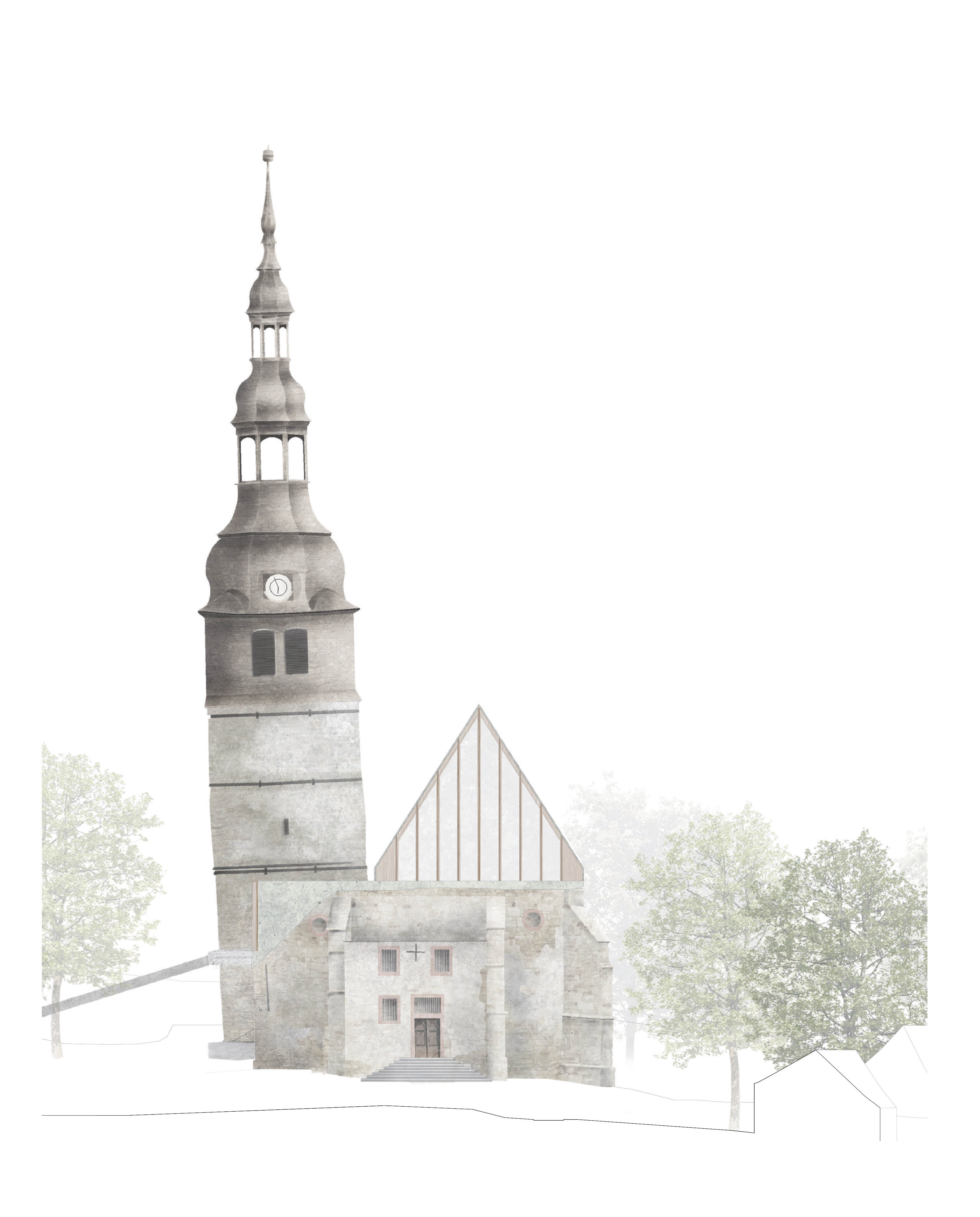
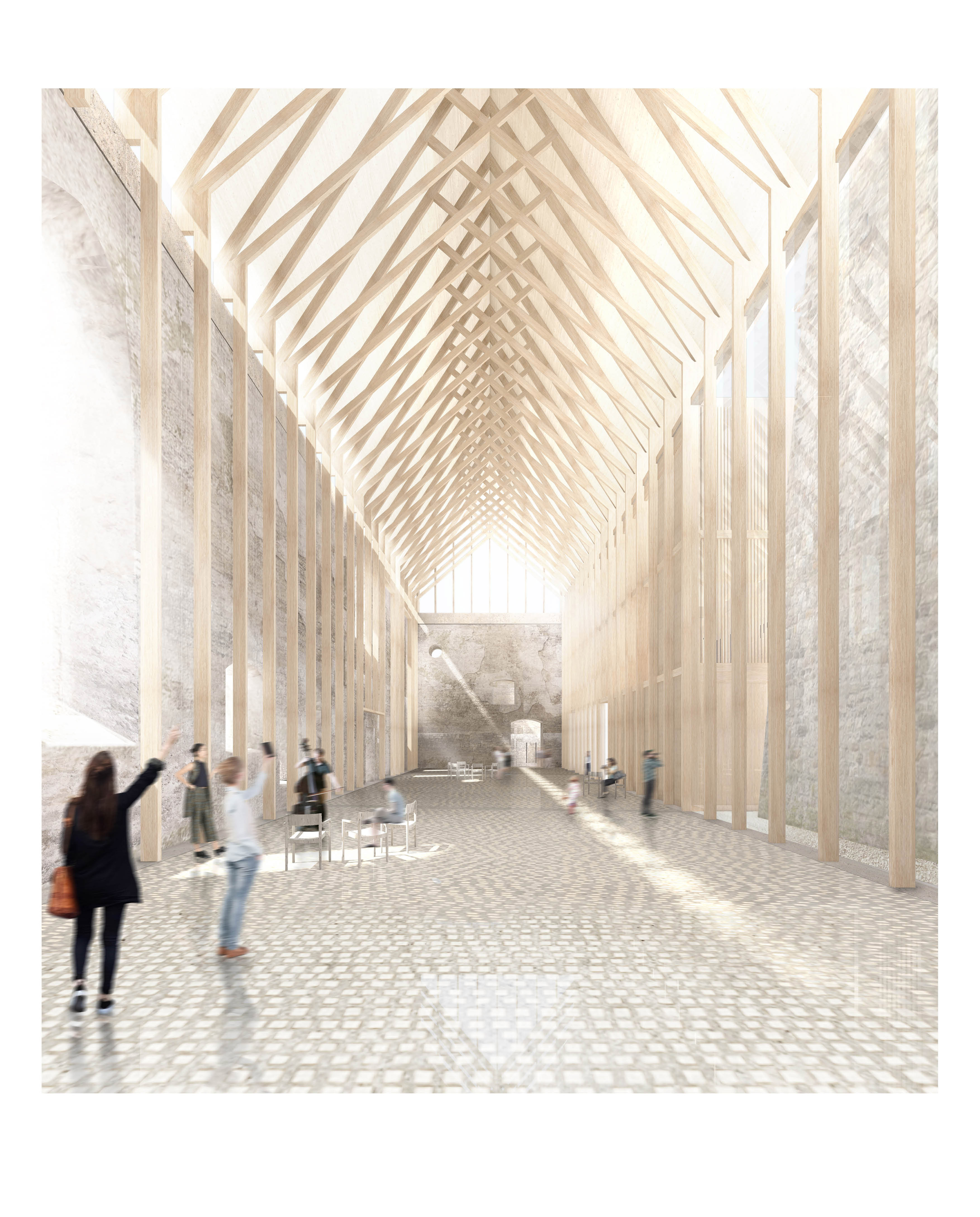
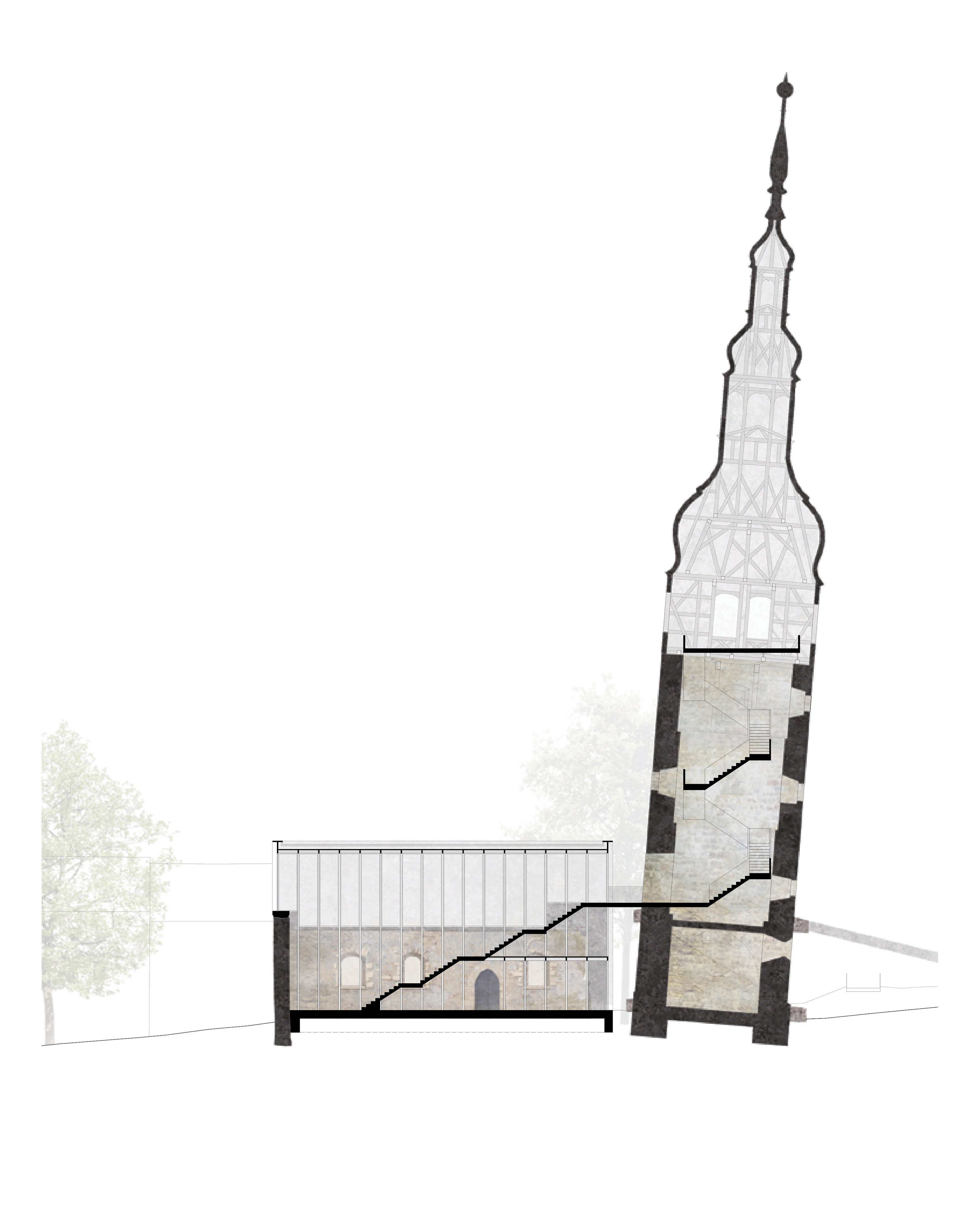
MentionThe Leaning Tower
- 🇩🇪Lina Muellerformation_a
- 🇩🇪Matthias Prügerformation_a
- 🇩🇪Teresa Riethmüllerformation_a
- 🇩🇪Dario Arlandiniformation_a
- 🇩🇪Valentina Roncoroniformation_a
MentionKARAVAN historical views
.jpg)
.jpg)
.jpg)
- 🇷🇴Irimia Roxana-Andreea
- 🇷🇴Ionita Mihai Bogdan
MentionAdaptive Inheritance
.jpg)
.jpg)
.jpg)
- 🇹🇷Hamid Mohammed Omar Hussien
- 🇹🇷Mir Muhtasim Mahmud Mahir
Jury Feedback
“A conceptually powerful and visually striking project that redefines timber architecture as an emotional and ecological practice. The integration of Kintsugi philosophy with post-disaster timber reuse is deeply original and exceptionally well articulated.”
— Andreea Felciuc, on Digital Kintsugi (1st Place)
“By treating timber as a carrier of memory rather than simply a material, the project adds a powerful cultural and emotional dimension to the architectural experience.”
— Martin Gsandtner, on Digital Kintsugi (1st Place)
“A well-resolved small-scale project that uses timber inventively, with a refined façade expression and a thoughtful integration of structure, circulation, and built-in elements.”
— Luca Bacilieri, on CASA DISCHOTOMY (2nd Place)
“A strong, clearly presented modular concept that meets the brief. With deeper exploration, the project could unlock greater material and spatial complexity.”
— Iago Ferreira, on CASA DISCHOTOMY (2nd Place)
“A confident, conceptually strong proposal where timber is integral to both structure and storytelling. Poetic yet practical, with a clear narrative and compelling representation that only needs slight refinement to reach a winning level.”
— Andreea Felciuc, on Research and Teaching Institute for Advanced Biotechnologies (3rd Place)
“A strong concept for a timber office building, with a particularly successful lifted entrance space that creates a welcoming and distinctive arrival experience.”
— Luca Bacilieri, on Research and Teaching Institute for Advanced Biotechnologies (3rd Place)
The Jury Members

Andreea Felciuc
Architect, Researcher, Scenographer, Stage Designer, Writer at ArupAndreea is an architect, researcher, and stage designer at Arup, working across arts, culture, and civic projects worldwide. Her experience strategy, cultural consultancy, and scenographic work span installations, performing arts venues, cultural districts, and urban-scale developments. With a background in architecture, scenography, and cultural foresight, Andreea creates projects that connect human experience, identity, and participatory design. She has contributed to immersive environments, public art strategies, cultural masterplans, and stage productions. In her approach, Andreea blends research, design, and storytelling — using writing and scenography to craft sensory-rich spaces and strategic frameworks that resonate with communities. Her interdisciplinary mindset ensures inclusive, impactful outcomes — merging cultural narratives, experiential design, and future-focused thinking to foster belonging and civic value.

Michael Forward
Associate Principal at PopulousMichael is an Associate Principal at Populous with nearly a decade of experience leading the design of sports and entertainment venues across the UK, Europe, Asia, Africa, and the Middle East. His diverse portfolio includes football stadiums ranging from 4,000 to 115,000 seats, elite training facilities, arenas, and large-scale masterplans. Known for a strong conceptual design approach, Michael grounds each project in its specific context, culture, and environment—ensuring work that is both locally resonant and globally relevant. A passionate advocate for engineered timber, Michael explores its application across all scales of architecture. He is particularly interested in its potential for long-span structures and civil infrastructure, and has led the design of timber bridges, stadiums, and boutique civic interventions. In addition, Michael developed a parametric tool for grading timber species and combining them in composite systems to harness their strengths—whether structural, environmental, or related to durability—within a single construction method. His work reflects a deep appreciation for the balance between the constraints and expressive possibilities of building with wood.
Martin Gsandtner
Lead Designer at Zaha Hadid ArchitectsMartin Gsandtner is a Lead Designer at Zaha Hadid Architects, where he contributes to the studio’s internationally acclaimed portfolio spanning mainly Asia, the Middle East, Europe, and North America. With a strong focus on innovation, sustainability, and cultural relevance, his work explores the intersection of advanced computational design and environmental responsiveness. He has been involved in a diverse range of projects, from landmark architectural developments to speculative design research, always aiming to create architecture that is both visionary and grounded in its context. Within the collaborative framework of Zaha Hadid Architects, he plays a key role in shaping spatial strategies that balance form, materiality, and performance. His design sensibility draws from a deep engagement with emerging technologies, while remaining attentive to atmosphere, scale, and human experience. As a jury member, he brings a critical, future-oriented perspective rooted in both conceptual clarity and technical excellence, advocating for architecture that is bold, intelligent, and deeply connected to its environment.
Luca Bacilieri
Designer at Zaha Hadid ArchitectsLuca is a designer at Zaha Hadid Architects, focusing on international large-scale competitions and leveraging his computational design expertise. His background spans architecture and product design, applying advanced digital tools to projects ranging from masterplans to innovative architectural solutions. In his current role, Luca contributes to concept development, visualisation, and parametric modelling for complex projects that often push the boundaries of contemporary design. He collaborates closely with multidisciplinary teams to explore new creative possibilities and streamline workflows through digital innovation. Having worked on various high-profile developments across different countries, Luca brings a global perspective to each project, seamlessly integrating aesthetic vision with technical precision. His passion for sustainability and pioneering technology continues to drive his commitment to shaping forward-thinking environments and inspiring architectural excellence.

Iago Ferreira
Senior Architect at Dar Al-HandasahIago is a Senior Architect at Dar Al-Handasah in London, where he leads the Bridge and Infrastructure department, contributing to innovative projects across the globe. He previously held roles at Zaha Hadid Architects and WATG, applying his design expertise to a diverse range of project typologies, including transportation, sports, hospitality, and urban planning. His current focus lies in public infrastructure, where his team embraces the belief that beauty should emerge from functionality and practicality. For Iago, great design seamlessly integrates all elements, appearing simple, yet thoroughly considered.
Competition Timeline
Competition Announcement
21 Jul 2025The Timber Futures competition is revealed to the world — the challenge begins.
Registration Start
21 Jul 2025Sign up to take part. Entry is free and open to creatives worldwide.
Submissions Open
28 Jul 2025Submit your design and project narrative at any time after registration.
Registration End
26 Oct 2025Final chance to register. Don’t miss the opportunity to compete.
Submission Deadline
31 Oct 2025All entries must be submitted by 23:59 GMT. No late entries accepted.
Jury Summoned
03 Nov 2025The jury begins reviewing submissions from around the world.
Winners Announced
12 Jan 2026Final results are revealed — the future of timber design is here.
Similar Competitions
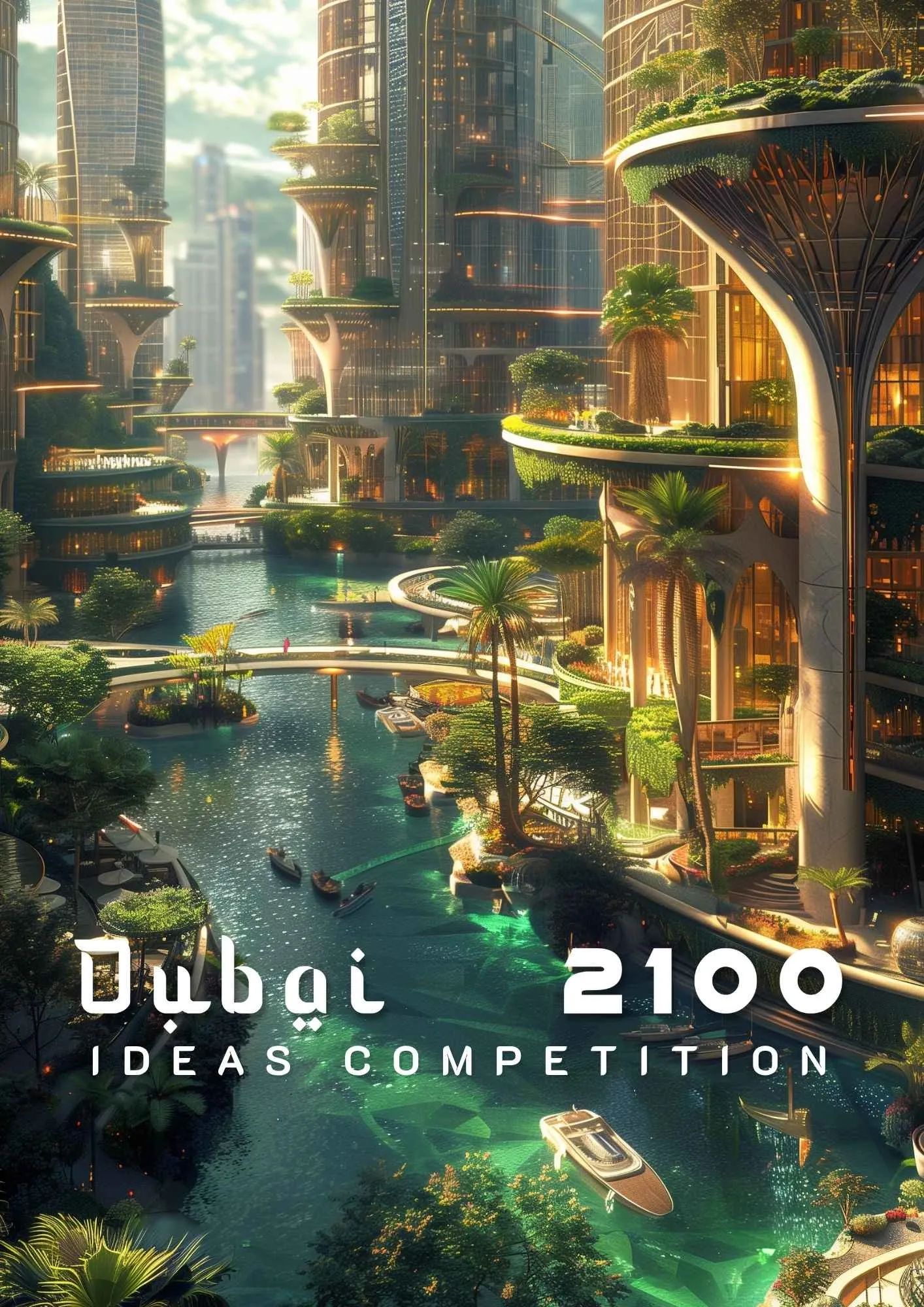
How will one of the world’s most ambitious cities evolve over the next century? The Dubai 2100 challenged designers to imagine a sustainable and visionary future.